
Judges Chapters 13 to 16
Samson: When God Uses Flawed Strength to Reveal His Greater Purpose..
As we come to Book of Judges chapters 13–16, we encounter one of the most fascinating and complex figures in Scripture — Samson. His story is dramatic, powerful, and deeply tragic. Samson is a man chosen by God, empowered by the Spirit, yet repeatedly weakened by his own desires and poor decisions.
These chapters reveal:
- God choosing someone before birth
- Divine strength mixed with human weakness
- The danger of compromised holiness
- God’s sovereignty despite human failure
- Redemption even at the end of a flawed life
Samson’s life teaches us that God’s calling does not remove human responsibility, and God’s purposes can still be fulfilled through imperfect people.
Judges 13 — Samson’s Birth: A Miraculous Beginning
Israel once again falls into sin:
“Again the Israelites did evil…” (Judges 13:1)
They are oppressed by the Philistines for 40 years. Then God intervenes — not by raising a judge immediately — but by announcing a birth. An angel appears to Manoah and his wife, who was barren. This pattern is significant. God often begins deliverance through miraculous births:
- Isaac — barren mother (Genesis 21)
- Samuel — barren mother (1 Samuel 1)
- John the Baptist — barren mother (Luke 1)
- Jesus Christ — miraculous birth (Matthew 1)
This shows: God’s deliverance often begins quietly — before anyone realizes it.
The Nazarite Calling
Samson is set apart as a Nazirite vow:
- No cutting hair
- No wine
- No contact with dead bodies
This indicates: Samson is set apart for holiness. This is important. Samson is called to be holy — yet his life shows repeated compromise. This tension defines Samson’s story.
Judges 14 — Samson’s Compromise Begins
Samson seeks a Philistine woman to marry. His parents object. But Samson insists. This reveals early warning signs:
- Following desire over obedience
- Ignoring godly counsel
- Compromising spiritual boundaries
This connects to: Deuteronomy — warning against intermarriage with pagan nations. Yet God still uses this:
“This was from the LORD…” (Judges 14:4)
This shows: God can work even through flawed decisions. This does not mean God approves — but He sovereignly uses events.
The Lion and the Honey
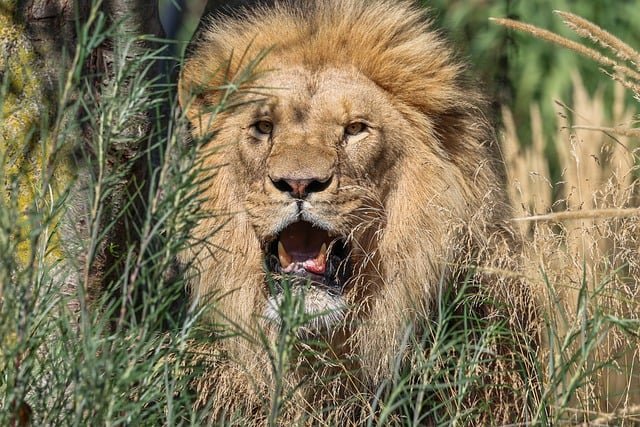
Samson kills a lion. Later he finds honey in the carcass. He eats it — breaking Nazarite purity laws. This symbolizes:
- Spiritual compromise
- Ignoring God’s calling
This reveals: Samson is strong physically but weak spiritually. This is a powerful contrast.
Judges 15 — Strength Without Transformation
Samson defeats Philistines repeatedly:
- Burning fields
- Killing with jawbone
- Breaking ropes
The Spirit of the Lord empowers him. Yet Samson’s motivations appear personal:
- Revenge
- Anger
- Pride
This reveals: God’s power can work through someone — even when their heart is not fully aligned. This is sobering. It reminds us: Spiritual gifting is not the same as spiritual maturity. This connects to:
1 Corinthians – Gifts without love lack true transformation.
Judges 16 — Samson and Delilah
Samson’s greatest weakness emerges: relationships. He falls in love with Delilah. The Philistines bribe her. Three times she asks Samson his secret. Three times he resists. Finally, he gives in. This reveals:
Gradual compromise leads to downfall. Samson’s hair is cut. Then one of the saddest verses:
“He did not know that the LORD had left him.” (Judges 16:20)
This is powerful. Samson had grown comfortable with God’s power. He assumed strength would always remain. This teaches: Familiarity with God’s power can lead to complacency.
Samson’s Fall
Samson is:
- Captured
- Blinded
- Imprisoned
This is tragic. The strong man becomes helpless. This reveals: Sin blinds spiritually. This connects to:
- Proverbs — Pride before destruction
- Galatians — Reaping what we sow
Redemption at the End
Yet Samson’s story does not end in failure. His hair begins to grow again. Samson prays:
“Remember me… strengthen me…” (Judges 16:28)
God answers. Samson pushes the pillars. He defeats the Philistines. Scripture says:
“He killed more in his death than in his life.”
This reveals: God’s grace extends even to the end. Samson’s final act is an act of surrender.
What These Chapters Reveal About Human Nature
Samson reflects:
- Strength with weakness
- Calling with compromise
- Faith mixed with desire
This reflects us today. We:
- Know God’s calling
- Yet struggle with temptation
- Experience victories and failures
Samson’s story feels very human.
What These Chapters Reveal About God’s Character
1. God Chooses Before Birth
Samson is chosen early.
2. God Uses Imperfect People
Samson is flawed but used.
3. God is Patient
Samson repeatedly fails.
4. God Allows Consequences
Samson faces results of compromise.
5. God Offers Redemption
Samson is restored at the end.
What This Means for Us Today
Samson’s story teaches:
- Strength without holiness is dangerous
- Calling requires obedience
- Compromise leads to downfall
- God still offers redemption
Samson also points forward to Jesus Christ:
- Both births announced by angel
- Both deliverers
- Samson dies defeating enemies
- Jesus defeats sin through His death
Yet Jesus succeeds where Samson failed.
Deeper Reflection
Samson begins chosen.
He lives compromised.
He ends surrendered.
This is powerful.
God’s grace still works even through flawed journeys.
Reflection Questions
- Are you relying on your strength or God’s holiness?
- Are there small compromises weakening your walk?
- Are you assuming God’s presence without seeking Him?
- Are you willing to surrender fully to God?
Closing Prayer
Heavenly Father,
Thank You for Your patience and grace. Even when we fail, You continue to work in our lives. Help us guard our hearts from compromise. Teach us to walk in holiness and obedience. Strengthen us where we are weak. Help us surrender fully to You. Use our lives for Your glory, and lead us closer to You each day.
In Jesus’ name,
Amen.