Remain in Me: The Restoration of Eden
John 15:4-7: The Return to Communion with God…
From the very beginning, humanity was never created to exist independently from God. In Book of Genesis, Adam was formed from dust, but dust alone was not enough to sustain life. It was only when God breathed into him that he became a living being. Human life began not merely through formation, but through divine impartation. Humanity was created to live from God, with God, and in continual communion with God.
This is why the tragedy in Eden was far deeper than the eating of forbidden fruit. The serpent’s deception was ultimately an invitation into independence: “You will not surely die.”
(Genesis 3:4)
The lie was subtle. Satan did not tempt humanity merely toward disobedience, but toward autonomy — the belief that life could still be sustained apart from abiding in God. It was the temptation to become self-sufficient, to define good and evil apart from the Creator, to seek fullness outside of communion.
And outwardly, it appeared as though the serpent was right. Adam and Eve still breathed. Their bodies remained alive. But something profound had died within them immediately:
- intimacy became hiding,
- innocence became shame,
- communion became separation,
- trust became fear.
Spiritual death had entered humanity. Like a branch severed from a vine, the leaves may remain green for a moment, but the life source has already been cut off. The process of death begins the moment connection is lost. This is why the words of Jesus in Gospel of John 15 carry such eternal weight: “Remain in Me, and I in you… for apart from Me you can do nothing.”
Christ is not just merely teaching spiritual discipline here. He is revealing the restoration of humanity’s original design.
The Greek word Jesus uses for “remain” is menō — to abide, dwell, continue, make one’s home. It speaks of ongoing union, continual dependence, and intimate communion. Humanity was always meant to “abide” in God. Eden itself was the place of abiding before sin fractured that union. Throughout Scripture, this theme echoes repeatedly. In Psalm 1, the righteous are described as: “a tree planted by streams of water.”
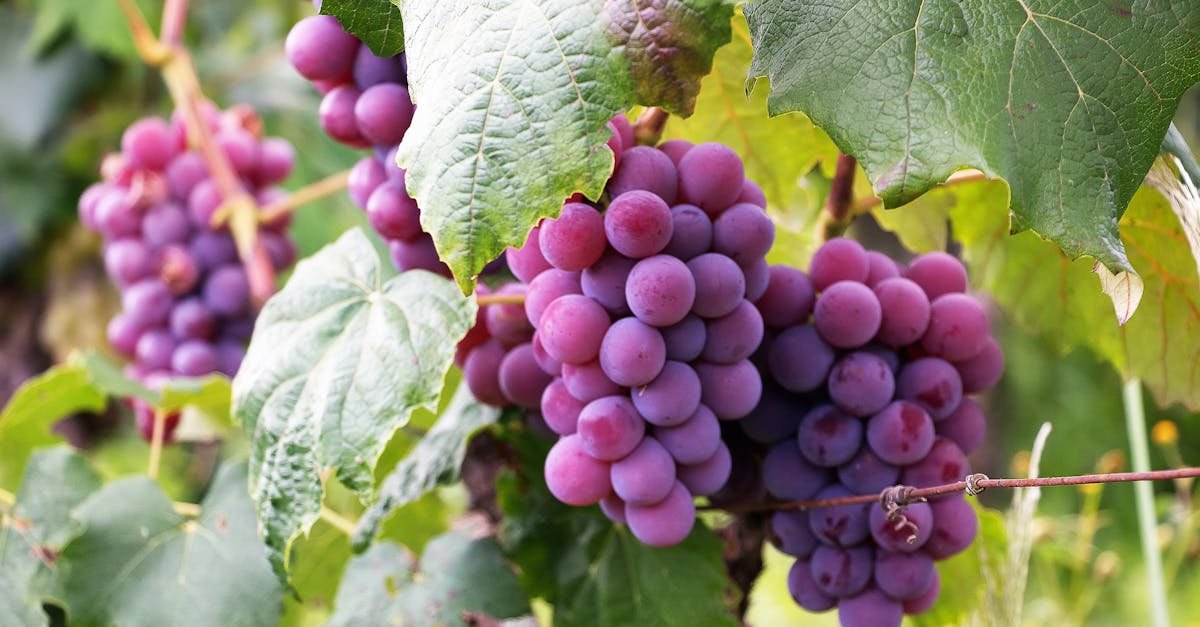
In Isaiah 5, Israel is called God’s vineyard, yet one that failed to bear fruit. Then Jesus declares: “I am the true vine.” What Adam failed to preserve and Israel failed to embody, Christ fulfills perfectly. He becomes the true source of divine life. He is the faithful Vine through whom humanity can once again partake of communion with God.
This is why salvation is far more than forgiveness of sins. Forgiveness removes the barrier, but restoration of union is the goal. The cross was not merely about canceling guilt; it was about reconnecting humanity to the life of God.
The first Adam reached for a tree in disobedience and brought death.
The last Adam hung upon a tree in obedience and brought life.
Even the imagery is astonishingly redemptive:
- humanity fell through a tree,
- humanity is restored through a tree,
- and now Christ becomes the Vine of eternal life.
The cross stands at the center of this restoration. Through His death and resurrection, Jesus opens the way for humanity not merely to walk near God again, but for God Himself to dwell within humanity through the Holy Spirit.
In Eden, God walked with man externally.
In Christ, God dwells within man internally.
This is the deeper miracle of redemption.
The branch does not struggle to produce fruit by effort. Fruit is the natural overflow of abiding life. Love, peace, holiness, joy, endurance, humility, compassion — these are not manufactured virtues but evidence that the life of Christ is flowing through a surrendered soul.
And perhaps this is the great crisis of modern spirituality: many desire the fruit of God without abiding in the presence of God. We try to sustain spiritual life through activity, knowledge, or striving, while neglecting communion itself.
But Jesus does not say: “Try harder.” He says: “Remain.”
Remain when your heart is weary.
Remain when prayers feel dry.
Remain when understanding fails.
Remain when the world pulls at your attention.
Remain because life itself flows from the Vine.
For apart from Him, we may continue existing, but we cannot truly live.
Reflective Questions
- Have I been seeking God Himself, or merely the benefits that come from Him?
- In what ways have I attempted to live independently from the Vine?
- Is my spiritual life rooted in communion or merely in activity?
- What “voices” still whisper the ancient lie that life can be found apart from abiding in Christ?
- Am I producing fruit through striving, or through surrender?
- What would it truly mean for me to “make my home” in Christ daily?
Prayer
Lord Jesus,
You are the True Vine, the source of eternal life. Forgive me for the ways I have sought life apart from You, trusting in my own strength, wisdom, or desires. Draw me back into abiding communion with You.
Teach me what it means to remain — not occasionally, but continually. Let Your Word dwell deeply within me, and let Your Spirit shape my heart until Your life is seen through mine.
Where sin has brought separation, restore intimacy.
Where fear has caused hiding, bring me into Your presence again.
Where my soul has become dry and self-dependent, let the living sap of Your Spirit flow afresh within me.
Make my life fruitful — not for my glory, but so that the beauty of Christ may be revealed through me. Teach me to live not as a disconnected branch striving to survive, but as one fully joined to the Vine.
Restore in me the joy of communion with God — the very purpose for which humanity was created from the beginning.
In Your holy name,
Amen.