
Genesis Chapter 13
When Blessing Grows, So Do Choices..
Genesis 13 opens with a quiet but powerful reality: “So Abram went up from Egypt… and Lot went with him.”
What follows is not just a story about land and livestock—it’s a story about how blessing tests relationships, and how character is revealed not in scarcity, but in abundance.
Lot became very wealthy. This is not incidental. Lot’s prosperity is directly connected to walking with Abram. God had promised Abram, “I will bless those who bless you” (Genesis 12:3), and we see that promise unfolding in real time. Blessing spills over. Faithfulness is contagious. When God moves through one life, others around them often benefit.
Yet blessing, when it increases, often reveals character rather than producing it.
When Blessing Becomes Too Much to Contain
The land could no longer support both Abram and Lot. Their herds grew, their possessions multiplied, and soon conflict emerged among their herdsmen.
Conflict itself is not the problem. What matters is how it is handled.
The word “finally” in the narrative suggests this tension had been building for some time. Perhaps frustration grew quietly. Perhaps Lot and Abram felt the strain personally before it surfaced publicly. This reminds us that even within godly relationships, growth can introduce pressure.
Not everyone around us always understands what God is doing in us—or where He is leading us.
Abram’s Response: Peace Over Possession
Abram does something unexpected.
Though he is the one with the promise, the older man, the spiritual leader, he gives Lot the first choice of the land.
This is not weakness.
This is faith.
Abram trusts that God’s promise does not depend on grabbing the best land. He believes that what God has spoken cannot be lost by generosity. Abram shows us a powerful principle:
Faith does not cling. Faith releases.
Sometimes separation is not failure but wisdom. Not all separations are right—but some are necessary to preserve peace, clarity, and calling.
Lot’s Choice: What Looked Like Eden
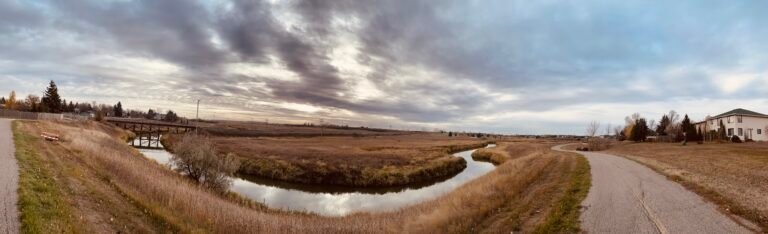
Lot lifts his eyes and sees the fertile plain of the Jordan—“like the garden of the LORD.”
That phrase should stop us.
It echoes Eden.
It echoes a familiar temptation: what looks good, productive, and full of promise.
Lot chooses based on sight, not discernment. He calculates growth, opportunity, and abundance—but misses the moral and spiritual trajectory of where that land leads.
This does not mean Lot is evil.
It means Lot is short-sighted.
Close to God’s Work, Yet Missing God’s Heart
Lot had walked with Abram.
He had seen altars built.
He had heard God’s promises.
He had benefited from God’s blessing.
And yet, proximity did not equal transformation.
This is where a careful comparison helps us—not to condemn Lot, but to warn ourselves.
Like others in Scripture who were close to God’s work but not fully aligned with God’s heart, Lot reminds us that being near faith is not the same as living by faith.
Access does not replace obedience.
Association does not replace surrender.
This is not about betrayal, but about choice—choosing what looks immediately rewarding over what draws one deeper into God’s presence.
What Lot Missed—and What Abram Received
After Lot departs, something profound happens.
God speaks again—this time personally and expansively to Abram.
“Lift up your eyes… all the land you see I give to you and your descendants forever.”
Earlier, God spoke of Abram’s descendants.
Now, God speaks to Abram directly about possession.
When Abram let go, God reaffirmed.
When Abram chose peace, God enlarged the promise.
When Abram trusted, God clarified the future.
This reveals a deep truth:
What we surrender in faith, God often restores in greater measure.
A Life Marked by Altars
Abram moves, settles, and once again builds an altar.
This is his pattern.
Movement followed by worship.
Blessing followed by gratitude.
Uncertainty followed by trust.
Altars mark places where Abram pauses to acknowledge God—not just as provider, but as Lord.
This is the habit Scripture invites us to learn:
Build altars in seasons of increase as much as in seasons of need.
Questions to Ponder
- Am I making choices based on what looks fertile, or what leads me closer to God?
- Have I mistaken proximity to faith for personal obedience?
- What am I holding tightly that God may be asking me to release?
- Where do I need to build an altar and remember who my blessing comes from?
Closing Reflection
Genesis 13 is not just about land.
It’s about trust.
Abram shows us a faith that rests in God’s promise.
Lot shows us how easy it is to settle for what looks like Eden—without realizing Eden cannot be recreated without God.
And quietly, the chapter asks us: When blessing grows, what will guide our choices—sight or faith?
Closing Prayer
Dear Lord,
Teach us to hold blessing with humility and conflict with wisdom. Help us trust You enough to choose peace over position and generosity over control. Guard our hearts from mistaking what looks good for what is truly good. May our lives, like Abram’s, be marked by worship wherever You lead us.Amen.