
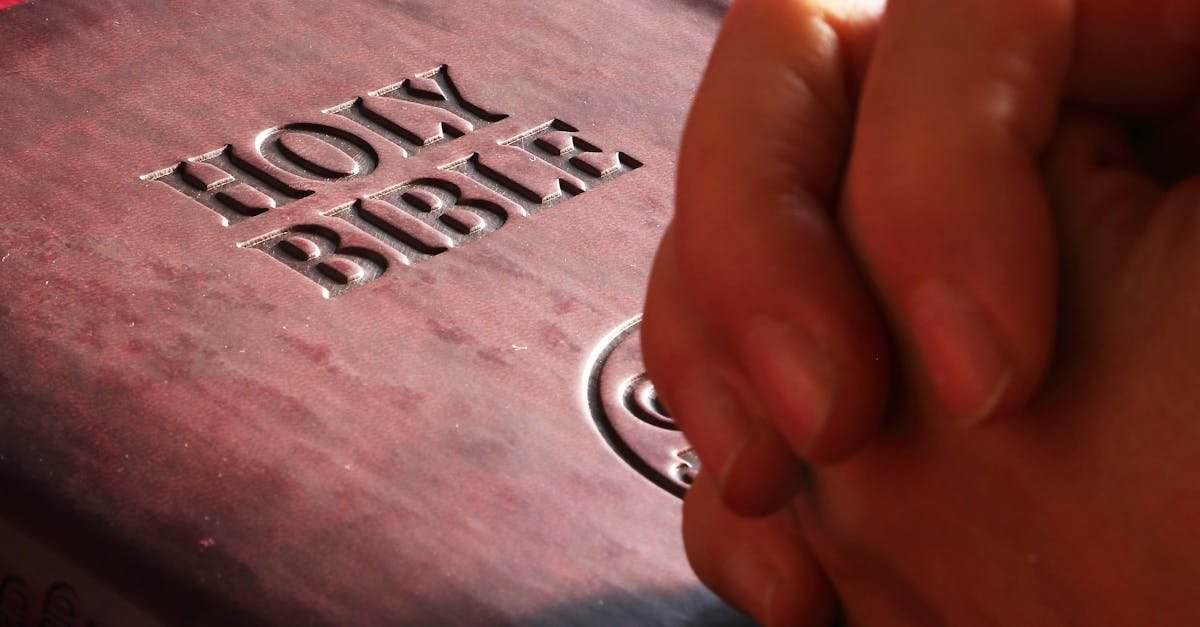
Leviticus Chapters 21 & 22
Honouring God’s Holiness in Those Who Draw Near…
Leviticus 21–22 continues the unfolding vision of holiness in Israel’s life, but now the focus narrows to the priests—those entrusted with serving near God’s presence. If Leviticus 16–20 showed how a holy people can approach God and live in holiness, these chapters ask a more specific question:
How should those who minister before a holy God live?
At first glance, these chapters may feel overly detailed or even severe. They speak about priestly conduct, physical wholeness, and the acceptability of offerings. Yet beneath the instructions is a deeply pastoral and theological concern:
God is teaching His people that His holiness is not abstract. It is real, weighty, and worthy of honor—especially among those who represent Him.
1. The Priests as Representatives of the People
Priests stood between God and Israel. They did not replace God’s relationship with the people, but they represented it. Because of this, their lives were meant to reflect the holiness of the One they served.
Leviticus 21 sets boundaries for priests regarding mourning practices, marriage, and ritual purity. These instructions were not meant to suggest that priests were more valuable than others, but that their role required visible reminders of God’s holiness.
The high priest, in particular, carried even greater responsibility. His life symbolized the sacredness of approaching God. The careful instructions about whom he could marry, how he mourned, and how he lived were not about harsh control but about symbolism. His life became a living sign that God’s presence is holy and not to be treated casually.
God is teaching Israel that those who draw nearest to Him must live with heightened awareness of His holiness. The closer one stands to the fire, the more carefully one must walk.
2. Wholeness and the Offerings
Leviticus 21–22 also addresses physical wholeness in priests and the requirement that offerings be without blemish. These passages can be difficult to read through modern eyes, but their theological purpose is symbolic rather than discriminatory.
In the sacrificial system, offerings represented the best given to God. An unblemished animal symbolized completeness, integrity, and honor. Likewise, the priest serving at the altar represented the ideal of wholeness before God.
This does not mean those with physical limitations were rejected by God. In fact, the text makes clear that they were still part of the priestly family and could partake in the holy food. The restriction applied only to certain functions at the altar, emphasizing symbolism rather than worth.
The deeper message is this:
God deserves what is whole, sincere, and undivided.
These regulations trained Israel to bring their best—not leftovers—to God. They reinforced the idea that worship should reflect reverence and intentionality.
3. Reverence in Worship (Leviticus 22)
Leviticus 22 widens the focus to include the offerings brought by the people. Priests must handle holy things carefully, and the people must offer sacrifices that are acceptable.
God’s repeated refrain is striking:
“I am the Lord who makes you holy.”
This reminds Israel that holiness is not self-produced. God is the One who sanctifies. Yet He calls His people to respond with reverence. Casual worship, careless offerings, or disregard for sacred things would distort the relationship between God and His people.
These chapters teach that worship is not about going through motions. It is about honoring God with sincerity, care, and gratitude.
4. God’s Character Revealed
Leviticus 21–22 reveals several aspects of God’s heart:
God is holy.
His presence is not ordinary, and those who serve Him must reflect that reality.
God is worthy of honor.
The requirement for unblemished offerings shows that worship should be intentional and wholehearted.
God is gracious.
Even within these regulations, provision is made for inclusion and care. Holiness does not erase compassion.
God forms His people through practice.
These laws trained Israel to live with reverence, reminding them that belonging to God shapes how they live and worship.
God is not creating distance; He is cultivating awareness. He is teaching His people to value His presence and approach Him thoughtfully.
5. Fulfillment in Jesus
Reading these chapters after Christ brings deeper clarity.
Jesus is the perfect High Priest, wholly pure and without sin.
He is also the unblemished sacrifice, offered once for all.
Where earthly priests needed regulations and repeated sacrifices, Jesus fulfills both roles perfectly. Through Him, believers now approach God not through ritual perfection but through grace.
Yet these chapters still speak to us. They remind us that:
- God’s holiness has not diminished.
- Worship still matters.
- Our lives are offerings to God.
The New Testament echoes this call when it invites believers to present themselves as “living sacrifices.” The language of Leviticus finds its fulfillment not in repeated rituals but in lives shaped by reverence and gratitude.
6. What This Means for Us Today
Leviticus 21–22 invites us to reflect on how we approach God.
Do we bring Him our best attention, our sincerity, our hearts?
Or do we approach casually, assuming grace removes the need for reverence?
Through Christ, we have full access to God—but access should lead to deeper awe, not indifference. Holiness is not about perfectionism; it is about honoring God with the whole of our lives.
We are now a “royal priesthood,” called to reflect God’s character in the world. These chapters challenge us to consider how our lives represent the One we serve.
Reflective Questions
- How do I approach God in worship—casually or with thoughtful reverence?
- What does it mean for me today to offer God my “best” rather than what is convenient?
- How does Jesus fulfilling the role of High Priest shape my confidence in approaching God?
- Are there areas of my life where I have lost a sense of awe for God’s holiness?
- How can my daily life reflect the honor and gratitude due to God?
Closing Prayer
Holy God,
You are worthy of all honor and reverence.
Thank You for drawing near to Your people
and for making a way for us to come to You through Jesus.
Forgive us for the times we have treated Your presence lightly
or offered You less than our whole hearts.
Teach us to live with a renewed sense of awe and gratitude.
Help us to bring our lives before You
as sincere and wholehearted offerings.
Thank You for Jesus,
our perfect High Priest and unblemished sacrifice.
Through Him we come with confidence and humility.
Shape us into a people who reflect Your holiness
in worship, in community, and in daily life.
May our lives honor You in all we do.
Amen.