Exodus Chapters 11–13
From Judgment to Redemption: When the Blood Speaks..
By the time we reach Exodus 11, Egypt has seen power.
Pharaoh has seen signs.
The gods of Egypt have been humiliated.
Yet nothing has changed.
Now God announces the final act — not just another plague, but a decisive moment in redemptive history.
Exodus 11 – The Final Plague: When God Draws a Line..
God declares that one final plague will break Pharaoh’s resistance (Exod 11:1).
This is not escalation — it is completion.
Why the Death of the Firstborn?
Theologically, this is not arbitrary cruelty.
- Egypt had killed Israel’s sons (Exod 1:22)
- Pharaoh consistently hardened his heart
- Egypt’s firstborn represented strength, future, inheritance, and power
God is showing that life itself belongs to Him.
“Israel is my firstborn son… let my son go… or I will kill your firstborn son.” (Exod 4:22–23)
This moment has been coming since Moses first stood before Pharaoh.
Yet even here, God makes a distinction:
“Not a dog shall growl against any of the people of Israel” (Exod 11:7)
Judgment is precise.
Mercy is intentional.
Exodus 12 – The Passover: Salvation Through the Blood
This chapter is not just historical — it is foundational theology.
A New Beginning
“This month shall be for you the beginning of months.” (Exod 12:2)
Redemption resets time.
Salvation becomes Israel’s new starting point — just as new life in Christ becomes ours (2 Cor 5:17).
The Lamb: God’s Provision
The instructions are detailed — and every detail matters.
- A lamb without blemish (Exod 12:5)
- Taken on the 10th day, slain on the 14th
- No broken bones (Exod 12:46; cf. John 19:36)
- Blood applied to doorposts and lintel
The Hebrew word for Passover, Pesach, means to pass over or to protect.
God does not ask Israel to defend themselves.
He asks them to trust the blood.
The Passover Lamb and Jesus: Detail by Detail
1. “A Lamb Without Blemish” (Exod 12:5)
The lamb had to be:
- Perfect
- Uninjured
- Unmarked
This was not about appearance — it was about worthiness.
Jesus fulfills this exactly:
- “He committed no sin” (1 Pet 2:22)
- “A lamb without blemish or defect” (1 Pet 1:18–19)
- Even Pilate declares, “I find no fault in Him” (John 19:4)
 Theological depth:
Only a sinless life can substitute for sinful ones.
Jesus doesn’t become righteous at the cross — He arrives already spotless.
2. Chosen on the 10th Day, Slain on the 14th (Exod 12:3–6)
This detail is often missed — but it’s astonishing.
- The lamb is selected and brought into the home for four days
- It is examined, seen, known
- Then slain
Jesus does the same:
- He enters Jerusalem on Palm Sunday (10th of Nisan)
- For several days, He is publicly examined:
- By Pharisees
- By Sadducees
- By Pilate
- No fault is found
- He is crucified on Passover
What this shows:
God does not rush redemption.
The Lamb is seen, tested, and proven worthy.
3. “No Broken Bones” (Exod 12:46)
This command seems strange — until the cross.
Crucifixion victims usually had their legs broken to hasten death.
But Jesus was already dead.
“These things happened so that the Scripture would be fulfilled: ‘Not one of His bones will be broken.’” (John 19:36)
Theological meaning:
Jesus dies by surrender, not force.
His life is not taken — it is given (John 10:18).
Why Blood?
Blood on the Doorposts and Lintel (Exod 12:7, 13)
This is one of the most powerful images in Scripture.
- Blood on the top beam (lintel)
- Blood on both sides
If you trace it: It forms the shape of a cross
But more importantly:
“When I see the blood, I will pass over you.” (Exod 12:13)
Not:
- When I see your good works
- When I see your fear
- When I see your sincerity
But when I see the blood.
Jesus fulfills this fully:
- “We have been justified by His blood” (Rom 5:9)
- “The blood of Jesus cleanses us from all sin” (1 John 1:7)
Key truth:
The blood was not for Israel’s confidence — it was for God’s judgment.
“The life of the flesh is in the blood” (Lev 17:11)
Blood signifies life given in place of life.
The blood was not for Israel to see — it was for God to see:
“When I see the blood, I will pass over you.” (Exod 12:13)
Salvation is not based on how strong their faith felt —
but on whether they obeyed God’s word.
This points directly to Christ:
“Behold, the Lamb of God, who takes away the sin of the world.” (John 1:29)
Inside the House vs. Outside
Judgment falls everywhere in Egypt — except where the blood is applied.
It is not ethnicity that saves Israel.
It is obedient trust.
This is the gospel in seed form:
“There is therefore now no condemnation for those who are in Christ Jesus.” (Rom 8:1)
Unleavened Bread: Leaving in Haste
Leaven often represents corruption or sin.
Israel leaves Egypt without leaven — not because they are perfect, but because redemption demands separation.
Salvation is free, but it leads to a changed direction.
One Lamb Per Household (Exod 12:3–4)
God does not say:
- One lamb for the nation
- One lamb for the righteous
He says:
- One lamb per household
Salvation is personal.
Jesus does not save crowds — He saves people.
The Lamb Is Consumed (Exod 12:8–10)
The lamb is not admired.
It is eaten.
Jesus echoes this:
“Unless you eat the flesh of the Son of Man and drink His blood, you have no life in you.” (John 6:53)
This is not symbolic sentiment — it is participation.
Christ must be received, not just respected.
Judgment and Mercy Meet in the Lamb
In Exodus:
- Judgment passes over
- Israel is freed
At the cross:
- Judgment falls
- We are freed
“Christ, our Passover lamb, has been sacrificed.” (1 Cor 5:7)
Why This Matters for Us
The Passover teaches us that:
- God provides the sacrifice
- God sets the terms
- God sees the blood
- God brings salvation
Our role is not to negotiate —
it is to trust and obey.
A Question to Sit With
Have I merely admired Jesus — or have I truly taken refuge under His blood?
The Exodus: God Keeps His Word
“At the end of 430 years… all the hosts of the Lord went out from the land of Egypt.” (Exod 12:41)
God is precise. Not one promise fails.
What He spoke to Abraham in Genesis 15 is now unfolding.
Even the wealth Israel carries out fulfills God’s word:
“They shall come out with great possessions.” (Gen 15:14)
Exodus 13 – Remembering Redemption
God commands Israel to remember. Why?
Because redeemed people forget quickly.
The Firstborn Belongs to God
The firstborn is redeemed, not lost — because God has already shown that substitution saves.
This prepares the ground for Jesus:
“God did not spare His own Son…” (Rom 8:32)
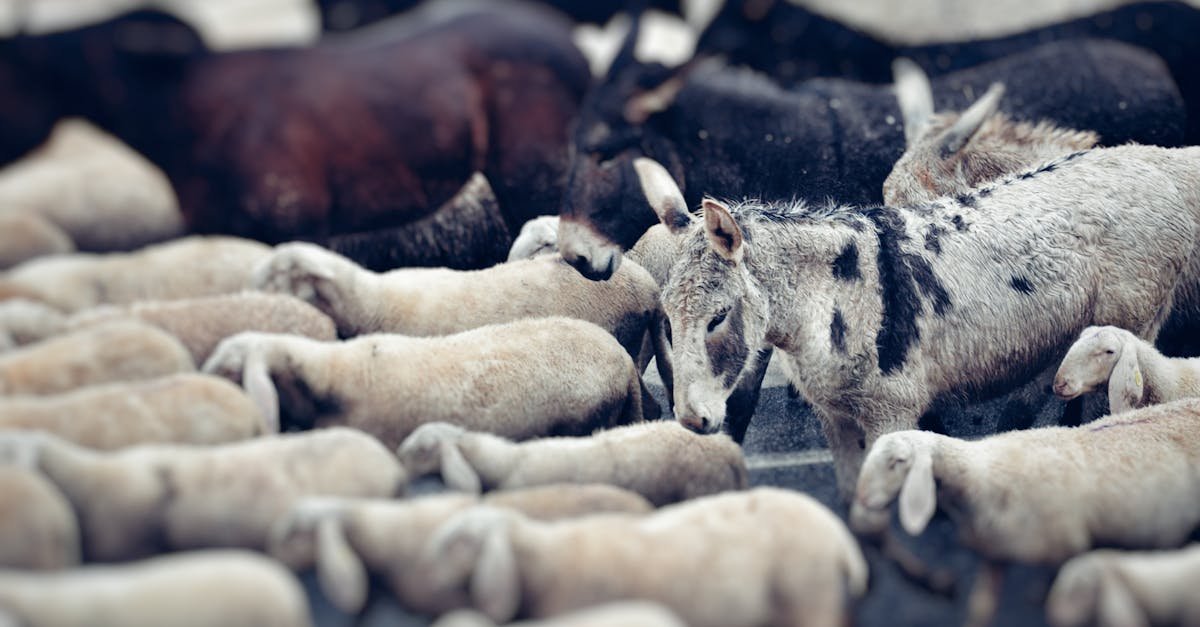
1. Why the donkey (and not a lamb)?
This is the key starting point.
In Israel’s sacrificial system:
- Lambs, goats, cattle = clean animals → acceptable for sacrifice
- Donkeys = unclean animals → not acceptable for sacrifice
So here’s the tension:
The firstborn belongs to the Lord
But the donkey cannot be offered to the Lord
That creates a problem.
God’s solution: redemption
“Redeem with a lamb every firstborn donkey…” (Exod 13:13)
A clean animal dies in place of an unclean one.
Already, the gospel is whispering.
2. Why not just sacrifice the donkey?
Because God does not accept what is unclean on His altar.
This is not about animals—it’s about holiness.
- God does not lower His standard
- Instead, He provides a way for the unclean to live
That way is substitution.
3. Why “break its neck” if it’s not redeemed?
This sounds harsh, but it’s deeply theological.
If the donkey is not redeemed:
- It cannot be sacrificed
- It cannot be kept for personal use
- It still belongs to the Lord
So what happens?
If it is not redeemed, it must be destroyed.
Why?
Because:
- What belongs to God must not be stolen
- Life without redemption leads to death
There is no neutral option.
This anticipates a later biblical truth:
There is no salvation without redemption
There is no life without a substitute
4. What does “redeem / buy back” actually mean?
The Hebrew idea of redemption (ga’al) means:
- To purchase freedom
- To rescue by payment
- To recover what is rightfully yours
Important detail: The donkey already belongs to God Redemption does not make it God’s—it allows it to live
This is crucial for understanding Jesus.
5. Why redeem sons but not sacrifice them?
God is drawing a sharp line between Himself and pagan gods.
Other nations:
- Sacrificed their children to gain favor
The God of Israel:
- Forbids human sacrifice
- Requires redemption instead
So:
- A payment is made
- A life is spared
- God is honored
This points directly to God’s heart:
“I desire life, not death.”
6. How this all connects to Jesus
This passage is one of the clearest gospel blueprints in the Old Testament.
a. Jesus is the Firstborn
- Called “the firstborn over all creation” (Col 1:15)
- The firstborn son belongs to God
But unlike Israel’s sons:
- Jesus is not redeemed
- He is given
b. We are the “donkey” in the story
This may sound uncomfortable—but it’s deeply biblical.
Like the donkey:
- We are unclean
- We belong to God by creation
- We cannot offer ourselves as acceptable payment
Yet God does not destroy us.
So what does He do?
c. A Lamb dies instead
“Behold, the Lamb of God, who takes away the sin of the world.” (John 1:29)
Jesus becomes:
- The clean substitute
- The redeeming price
- The Lamb in place of the unclean
Just as:
- A lamb redeems the donkey
- A payment redeems the son
So: Christ redeems us.
d. The warning still stands
Exodus gives no third option:
- Redeemed → life
- Not redeemed → death
The cross carries the same gravity—but with mercy:
God Himself provides the Lamb.
7. God’s heart behind the command
This isn’t about rules—it’s about remembrance.
God is teaching Israel:
- You were spared because a lamb died
- You live because I redeemed you
- Your story begins with grace
Every redeemed donkey
Every redeemed son
Every firstborn
Preaches the same sermon:
“Salvation is not earned. It is paid for.”
For us to reflect:
Exodus 13 is not primitive theology—it is proto-gospel.
Long before the cross:
- God teaches substitution
- God insists on holiness
- God provides redemption
- God chooses life
And in Jesus, He does not ask Israel—or us—to bring the lamb. He brings the Lamb Himself.
The Way God Leads
God does something surprising:
“God did not lead them by the way of the Philistines… for God said, ‘lest the people change their minds when they see war.’” (Exod 13:17)
God chooses the longer road — not because He is slow, but because He is wise.
He knows their hearts.
Salvation does not mean instant readiness for battle.
The Pillar of Fire and Cloud
God’s presence becomes visible:
- Cloud by day
- Fire by night
This is not symbolic — it is God dwelling with His people.
John later tells us:
“The Word became flesh and dwelt among us.” (John 1:14)
The God who walked with Israel now walks among humanity.
From Genesis to the Cross
What began in Genesis with:
- Sin entering the world
- Death becoming inevitable
Now moves toward:
- Substitution
- Redemption
- A people set free by grace
And it will ultimately culminate in:
- Jesus, the final Passover Lamb (1 Cor 5:7)
- His blood on a wooden cross
- Judgment passing over all who trust Him
The Exodus is not just Israel’s story.
It is our story.
What These Chapters Reveal About God
- God is just — sin is never ignored
- God is merciful — salvation is provided
- God is faithful — promises are kept precisely
- God is personal — He dwells with His people
Reflections for Us Today
- Am I trusting in God’s provision or my own strength?
- Have I truly applied the “blood” to the doorposts of my life?
- Do I remember my redemption — or have I grown casual about grace?
- Am I willing to follow God even when the path feels longer?
Closing Prayer
Lord God,
You are the God who saves, who protects, who redeems.
Thank You for the Lamb You provided —
first in Egypt,
and finally at the cross.
Teach us to trust Your ways,
to remember what You have done,
and to walk in obedience
even when the road feels long.
May the blood of Christ
be our confidence,
our covering,
and our hope.
Lead us, O Lord,
by Your presence
until we reach the fullness of Your promise.
Amen.